
Water Softener and Filtration Installation in Fair Oaks
Whole-home ion-exchange water softeners and filtration systems to eliminate calcium scale, protect water heaters, and improve drinking water quality in Fair Oaks.
Direct dispatch from 10100 Fair Oaks Blvd. Sacramento County permit coordination.
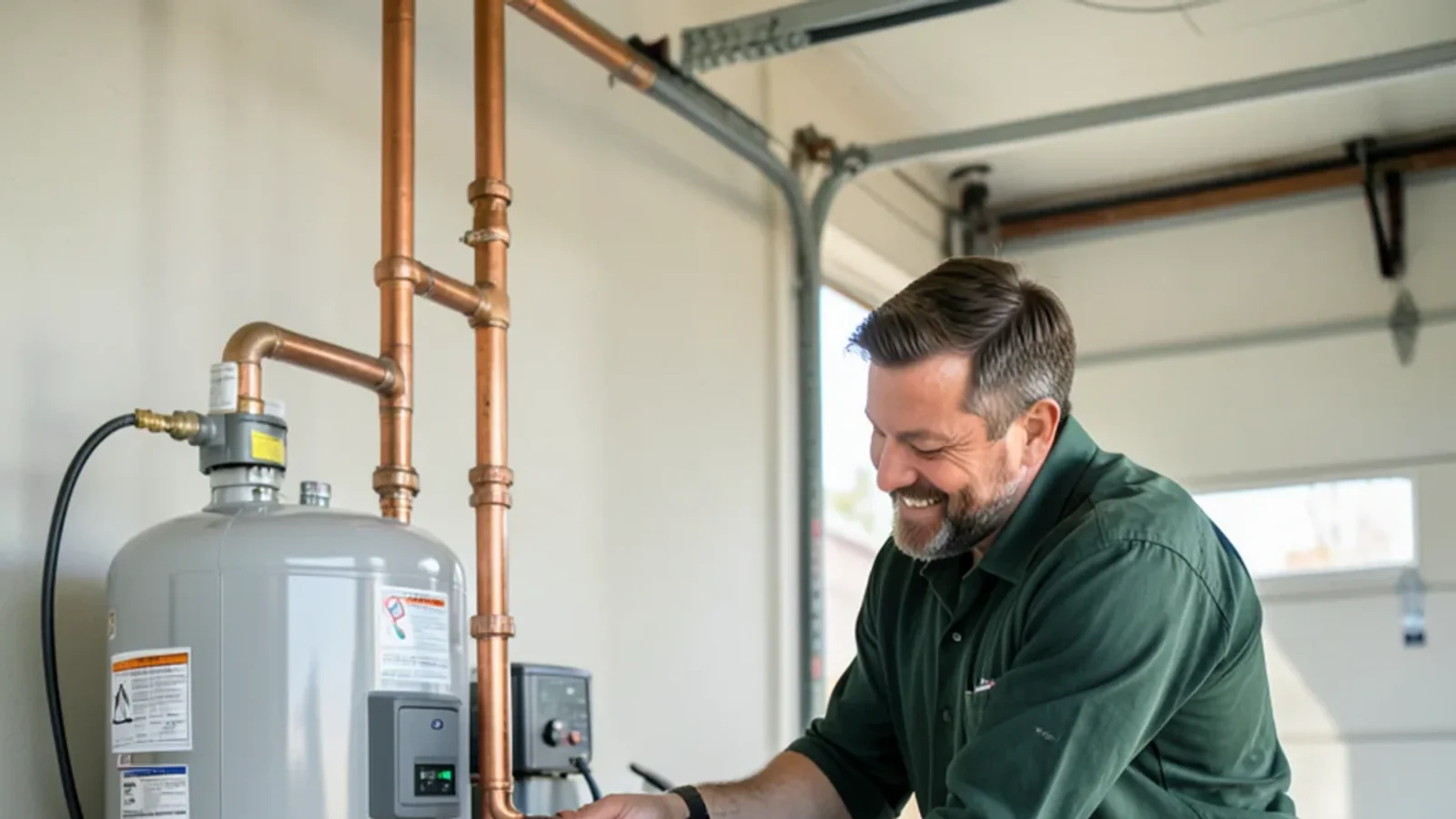
Fair Oaks Blvd Location
Based at 10100 Fair Oaks Blvd
California Code Compliant
Built to 2025/2026 CPC Standards
County Permit Coordination
Sacramento County Accela filing
Direct Master Dispatch
Talk to a local plumber directly
Fair Oaks Local Infrastructure & Environmental Factors
Water supplied by the Fair Oaks Water District carries moderate mineral hardness (5 to 9 grains per gallon) due to deep groundwater well blending. This mineral hardness leaves chalky deposits on glass, clogs showerheads, and shortens water heater lifespans.
Common Symptoms and Warning Signs
Calcium and magnesium carbonates precipitating out of tap water onto chrome surfaces and shower doors.
Heavy mineral scale blankets burning out electric heating elements and insulating gas tank bottoms.
Hard mineral water reacting with soap to form insoluble curd that coats skin and strips natural moisture.
Detergent efficiency reduced by high mineral content in the wash water, trapping soap in fabrics.
Dishwasher and washing machine inlet valves jammed by fine calcified scale particles.
Narrow copper heat exchanger passages choking with calcium scale within 6 to 12 months.
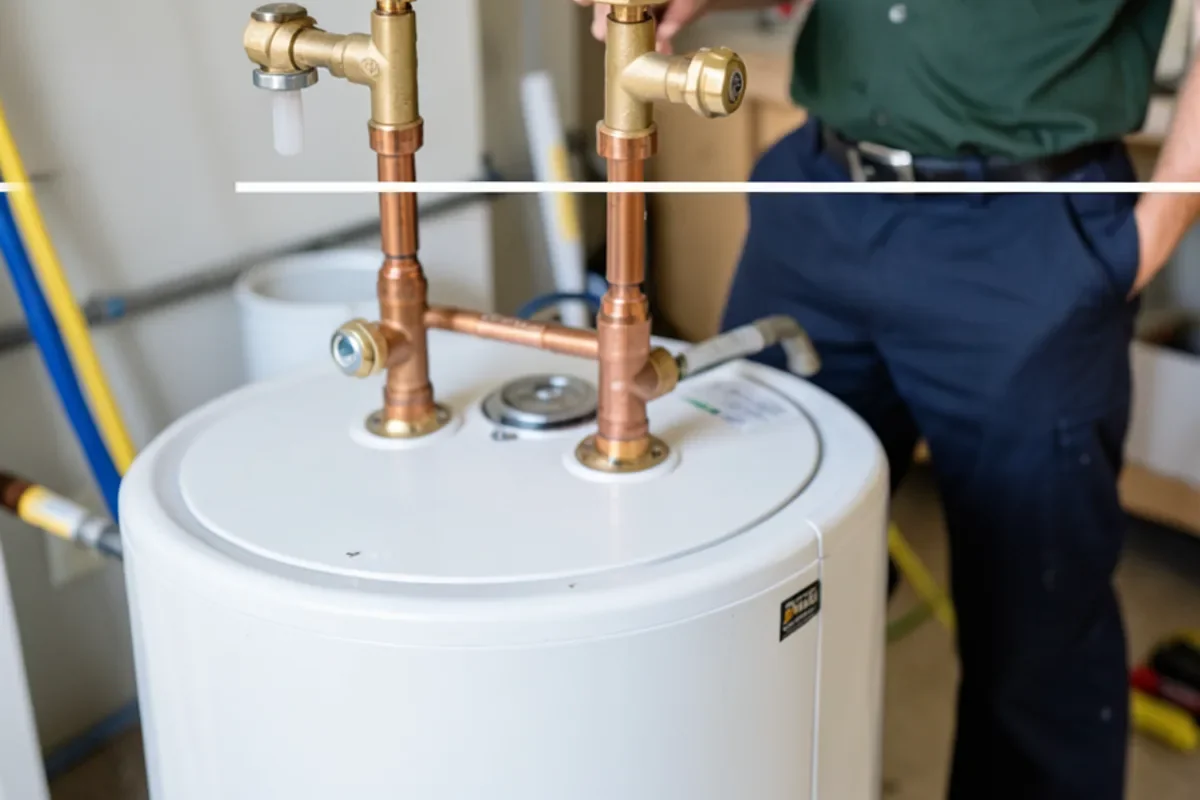
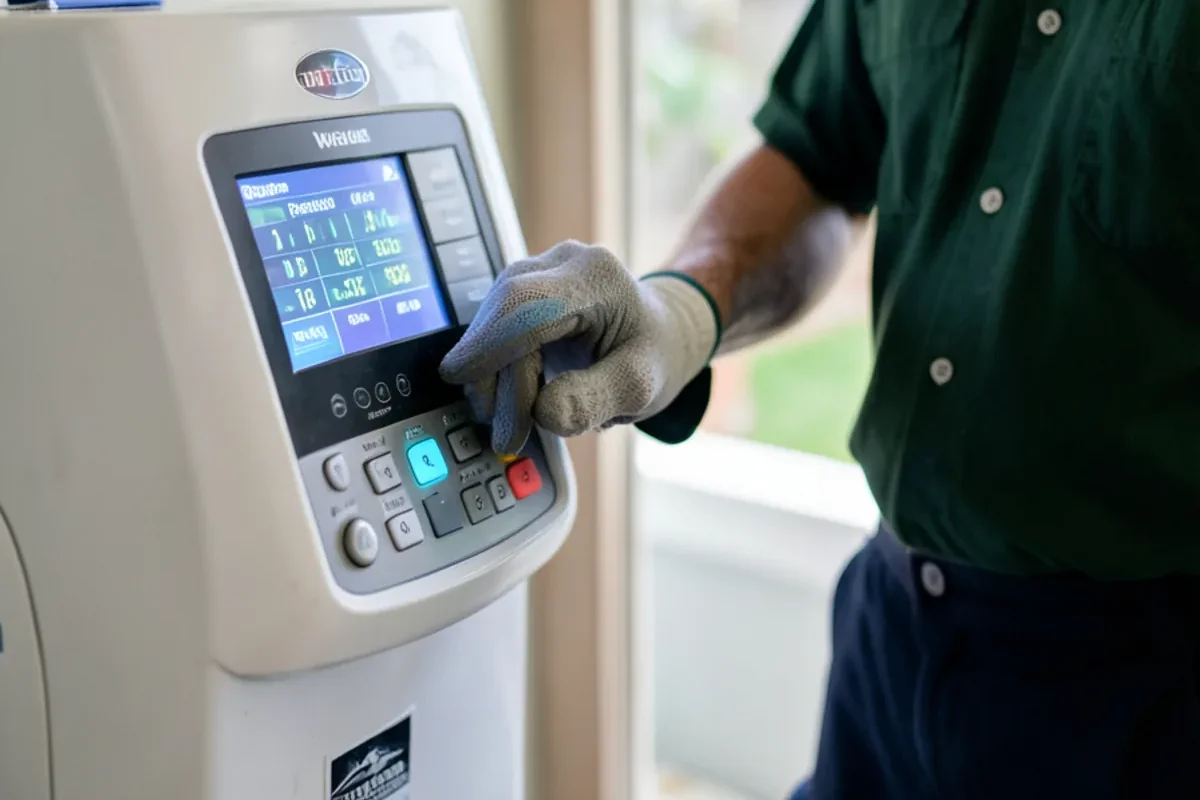
Need Help with Water Softener in Fair Oaks, CA — Hard Mineral Defense?
Our plumbers operate with fully equipped trucks on Fair Oaks Blvd for prompt troubleshooting.
Our Step-by-Step Diagnostic and Repair Protocol
On-site water testing and hardness calibration
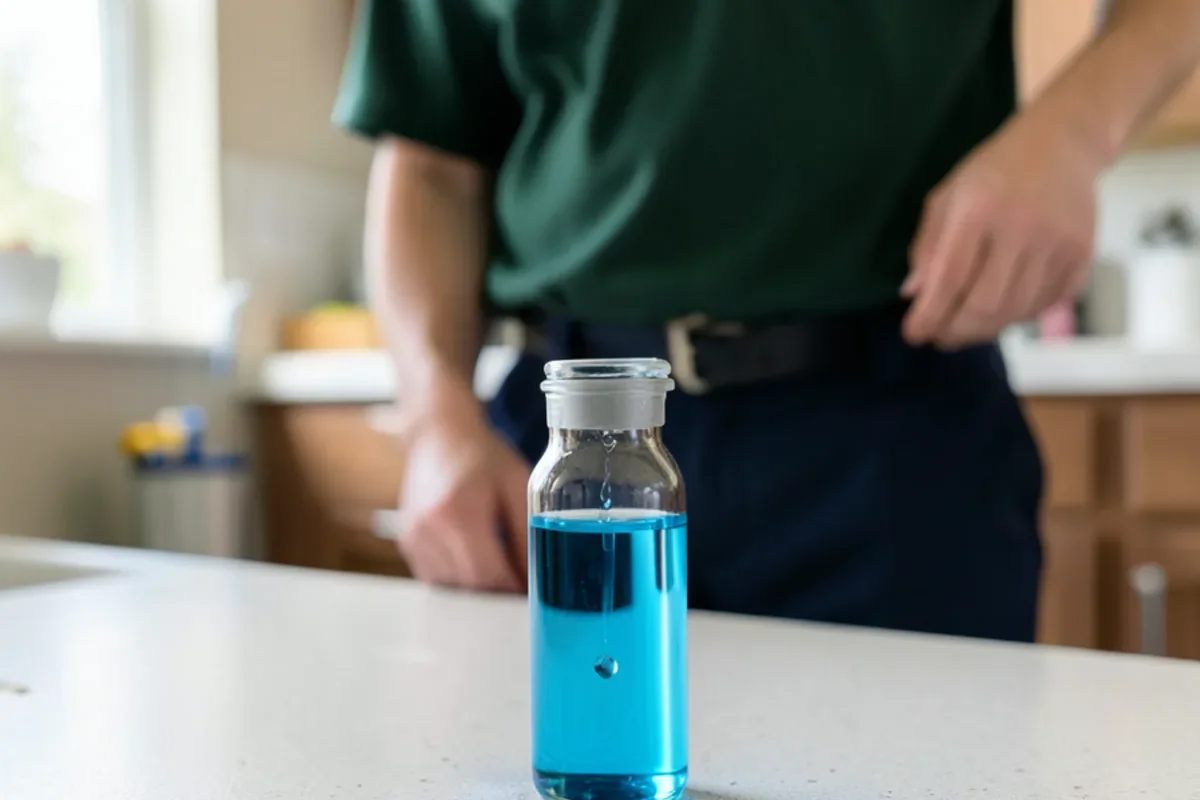
We test your tap water with digital titration kits to measure exact grains per gallon of mineral hardness, total dissolved solids (TDS), and chlorine levels.
System sizing and resin capacity calculation
We calculate daily household gallon usage and water hardness to size resin grain capacity—typically 32,000 to 48,000 grains.
Plumbing loop and 3-valve bypass installation
We cut into the main domestic water service entry, install a 3-valve bypass loop for servicing, and connect copper or PEX supply lines.
Brine tank setup and air-gap drain routing
We connect the brine salt storage tank, install an approved code-mandated air gap on the regeneration discharge line, and fill with premium salt.
Digital demand-regeneration programming & test
We program the digital metered electronic control valve for demand-initiated regeneration, initiate an initial recharge cycle, and verify softened output.
Understanding water hardness in Fair Oaks
Water hardness is determined by the concentration of dissolved calcium and magnesium minerals in your water supply. In Fair Oaks, source water varies depending on seasonal blending by the Fair Oaks Water District and San Juan Water District. While surface water from Folsom Lake is relatively soft, local groundwater pumped from deep aquifer wells carries significant mineral dissolved solids. The resulting blend typically ranges from 5 to 9 grains per gallon. While safe to drink, this mineral content creates stubborn scale on plumbing fixtures, appliances, and glassware.
How ion-exchange water softeners protect your home
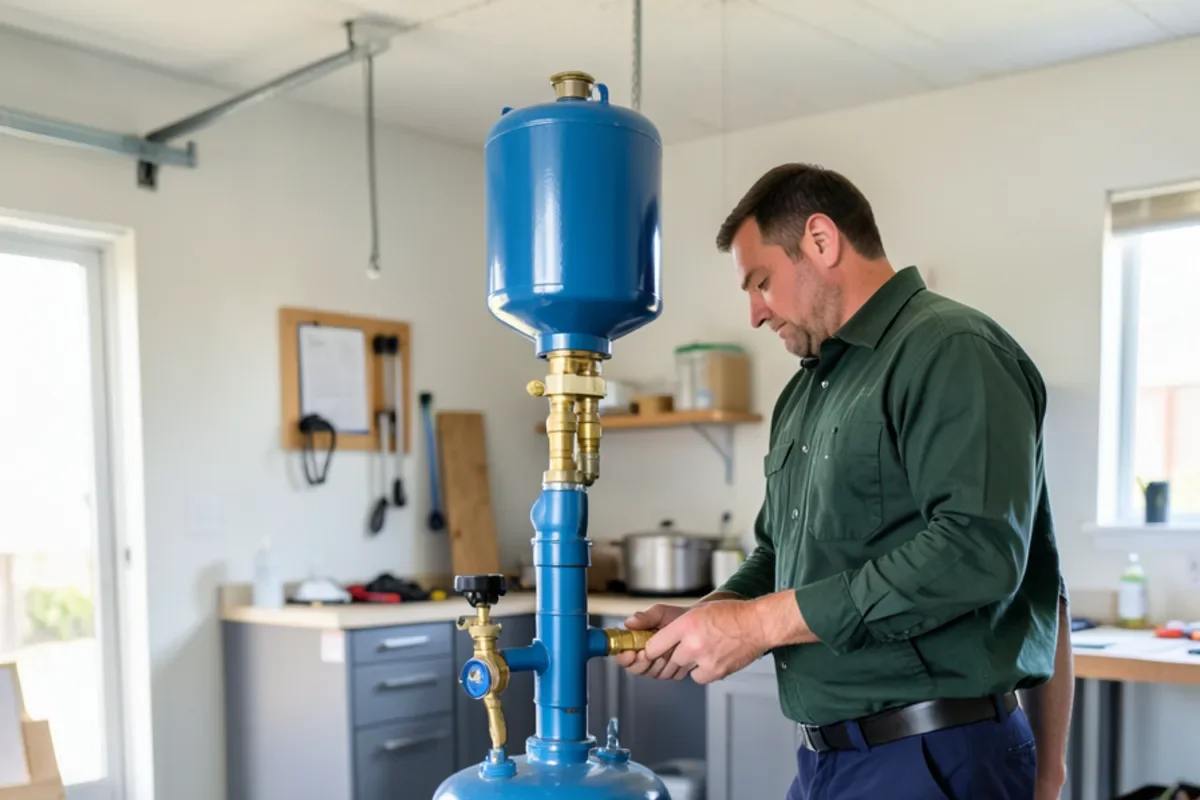
A whole-home water softener operates through an ion-exchange process. Untreated hard water enters a pressurized tank filled with microscopic food-grade resin beads charged with sodium ions. As water flows through the resin bed, the calcium and magnesium mineral ions bond to the resin, releasing sodium ions in their place. The water exiting the tank is softened, meaning it cannot produce scale. When the resin bed becomes saturated with minerals, the electronic control valve initiates a regeneration cycle, washing the minerals down the drain with saltwater brine.
Protecting appliances and prolonging pipe life
Installing a water softener is an investment in your home's entire plumbing infrastructure. Soft water prevents scale buildup inside tankless water heaters, protects washing machines and dishwashers from premature pump failure, and eliminates the mineral crust that ruins shower cartridges. When paired with a whole-house carbon filter, our systems remove chlorine taste and odors, delivering clean, soft water to every faucet.
Brine discharge regulations and California water efficiency standards
In California, water softeners are regulated under California Health and Safety Code Section 116786, which encourages the installation of demand-initiated regeneration (DIR) appliances. Unlike older timer-based units that regenerate on a fixed schedule whether water was used or not, our high-efficiency systems measure exact household water consumption with electronic turbine meters. They only recharge when the resin bed capacity is exhausted, cutting salt usage by up to 40 percent and conserving hundreds of gallons of rinse water annually. We also ensure that outdoor irrigation lines bypass the softening system, so you never waste softened water on your lawn or garden.
Technical Cost Factors and Project Scope
We believe in transparent technical factors rather than misleading flat estimates. Project scope is determined by:
- Existing plumbing configuration: home pre-plumbed with a garage water softener loop versus needing main line retrofitting and separation from exterior hose bibbs
- System grain capacity: 32,000 grain unit for small households versus 48,000+ grain high-efficiency unit for large families
- Combined filtration: adding an activated catalytic carbon filtration tank to remove municipal chlorine taste, chloramines, and odors
- Drainage run distance: proximity of garage installation to an approved building drain or laundry standpipe
California Code & Safety Compliance
Water softeners must be installed with an approved air gap on the brine discharge line to prevent drain water from siphoning back into the potable water supply under California Plumbing Code Section 603.5. Exterior irrigation lines should be isolated upstream of the softener.
Water Softener in Fair Oaks, CA — Hard Mineral Defense FAQs
Yes, moderately hard. Fair Oaks Water District blends surface water from Folsom Lake with deep groundwater wells, resulting in hardness levels typically between 5 and 9 grains per gallon (GPG). Without treatment, this mineral load coats water heater tanks and plumbing fixtures with stubborn scale.
Talk to Our Local Team
Have a question about your Fair Oaks home plumbing or need an immediate response? Call our direct dispatch line.
(207) 419-2600Dispatched from 10100 Fair Oaks Blvd, Fair Oaks, CA.
Related Plumbing Services
Water Heater Maintenance in Fair Oaks, CA — Tank Flushes
Preventative maintenance, sediment flushing, sacrificial anode rod inspection, and safety valve testing to prolong tank life and lower energy bills in Fair Oaks homes.
Water Heater Installation in Fair Oaks, CA — Code Straps
Complete replacement and code-compliant installation for residential gas and electric water heaters in Fair Oaks. Every installation includes California seismic strapping, thermal expansion tanks, and county permits.
Repiping in Fair Oaks, CA — Galvanized to PEX Upgrades
Complete whole-house water supply repiping, replacing rusted galvanized steel and aging copper with high-durability PEX-a or copper piping in Fair Oaks residences.
Communities Where We Do This Work
In addition to serving our home base of Fair Oaks, we deliver this service across:
CarmichaelCitrus HeightsGold RiverGet Fast Help with Water Softener in Fair Oaks, CA — Hard Mineral Defense
Call (207) 419-2600 to discuss your plumbing needs with our Fair Oaks team.