
High Water Bill? Finding the Leak Before Calling Anyone
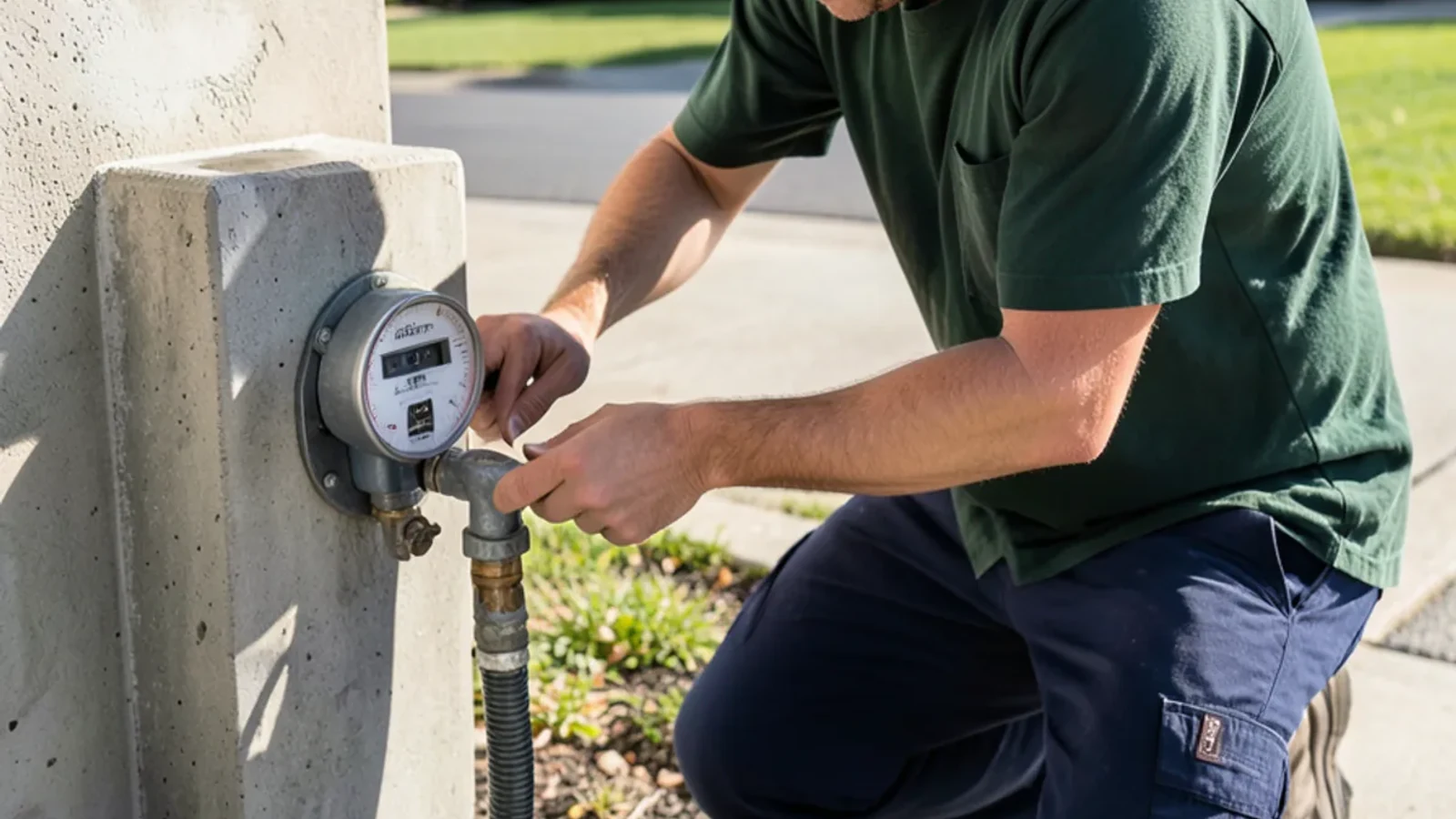
To find the cause of an unexpected high water bill in Fair Oaks, shut off all indoor and outdoor water fixtures, then check your street water meter: if the small red or blue low-flow indicator star is spinning, water is actively leaking. Next, turn off the home's main exterior shutoff valve; if the meter stops spinning, the leak is located inside your house (commonly a running toilet flapper or concrete slab leak). If the meter continues to spin with the house shutoff closed, the leak is buried underground between the meter and the house foundation.
Spike on your utility bill? Use this high water bill leak detection checklist to test toilet flappers, irrigation, and slab lines. Call (207) 419-2600.
- ✓Confirm all washing machines, dishwashers, and ice makers are idle
- ✓Check exterior hose bibbs and landscape drip irrigation zones for dripping valves
- ✓Remove the concrete curb meter box lid using a screwdriver or meter key
- ✓Inspect the low-flow indicator triangle or digital flow rate display on the meter face
- ✓Perform a dark food coloring test inside every toilet tank to check flapper seals
- ✓Feel concrete slab floors for localized warm patches or damp baseboards
| Leak Location | Typical Water Loss Rate | Meter Behavior | Physical Warning Signs | Recommended Action |
|---|---|---|---|---|
| Worn Toilet Flapper | 200 - 1,000 Gallons/Day | Slow continuous rotation | Ghost flushing; trickling sound | Replace flapper & fill valve assembly |
| Underground Yard Supply Line | 1,000 - 5,000 Gallons/Day | Fast spinning; spins with house shutoff closed | Soggy patch on front lawn; sinkhole | Trenchless water line boring or pull |
| Under-Slab Copper Hot Line | 500 - 3,000 Gallons/Day | Fast spinning; stops with house shutoff closed | Warm tile floor spot; water heater runs nonstop | Electronic acoustic leak detection & overhead PEX reroute |
| Irrigation Zone Solenoid Valve | 300 - 2,000 Gallons/Day | Intermittent or slow flow | Muddy irrigation valve box; dry grass above | Rebuild valve diaphragm or replace solenoid |
| Failing Pressure Regulator (PRV) | Intermittent high pressure venting | Spikes during street surges | Banging pipes; T&P valve discharging | Replace PRV with lead-free brass valve |
Need a Fair Oaks Plumber on Site?
Call (207) 419-2600 to talk directly with our team at 10100 Fair Oaks Blvd.
Decoding your Fair Oaks water bill: seasonal tiers vs. hidden leaks
Opening a bi-monthly utility statement from the Fair Oaks Water District (FOWD) or San Juan Water District (SJWD) and seeing charges double or triple can trigger immediate anxiety. Before assuming your meter is malfunctioning, it is essential to understand local rate structures. FOWD utilizes a tiered volumetric rate system designed to encourage conservation. During summer months, baseline residential allotments are consumed quickly by landscape irrigation, pushing water consumption into Tier 2 and Tier 3 penalty rates where each hundred cubic feet (CCF, or 748 gallons) costs substantially more. However, if your billing statement reveals an unexpected surge of 15,000 to 50,000 gallons during late autumn or winter when outdoor irrigation has ceased, you are almost certainly dealing with an active, continuous plumbing leak that requires immediate systematic isolation.

The 15-minute water meter test: low-flow indicator diagnostics
Your municipal water meter is the most definitive diagnostic tool on your property. To perform an initial leak check, ensure that all water usage inside and outside the home is suspended completely: verify that washing machines, dishwashers, RO filtration systems, and ice makers are idle, and confirm all hose bibbs are tightly shut. Next, walk to the street curb or front property boundary and locate the rectangular concrete meter box. Remove the lid using a large flathead screwdriver. Wipe away dirt from the glass register face. Most modern Sensus, Neptune, or Badger meters installed across Fair Oaks feature a dedicated low-flow leak indicator—typically a small red or blue triangle, a six-pointed star, or a digital decimal display that monitors minute water movements down to fractions of a gallon per minute. If this indicator is rotating, spinning, or ticking upward while all household fixtures are off, water is actively leaking past the meter.
Isolating yard line leaks from indoor structural leaks
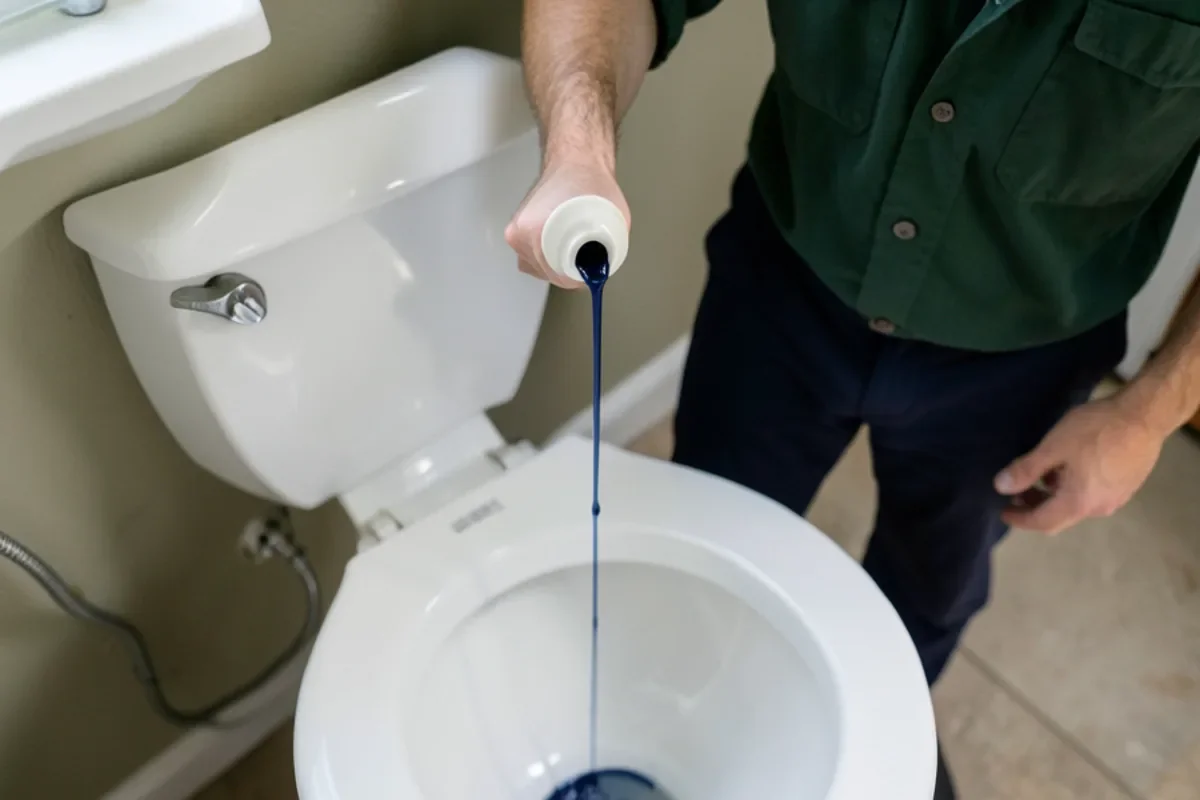
Once continuous water movement is verified at the meter, the next diagnostic phase determines whether the leak exists outside in the buried yard supply line or inside the residence foundation. Locate the home's primary shutoff valve, typically a brass gate or ball valve positioned on the exterior wall where the water main enters the house, usually just below the front hose bibb. Turn this valve clockwise until it closes completely. Now, return to the street meter and observe the low-flow indicator. If the dial has stopped spinning, the leak is located inside the house (such as a running toilet, a leaking water heater relief valve, or an under-slab pipe fissure). Conversely, if the low-flow indicator continues to spin with the house shutoff closed, water is leaking underground between the street meter and the foundation, indicating a cracked, corroded, or root-punctured yard service line.
The silent culprit: running flappers and irrigation solenoids
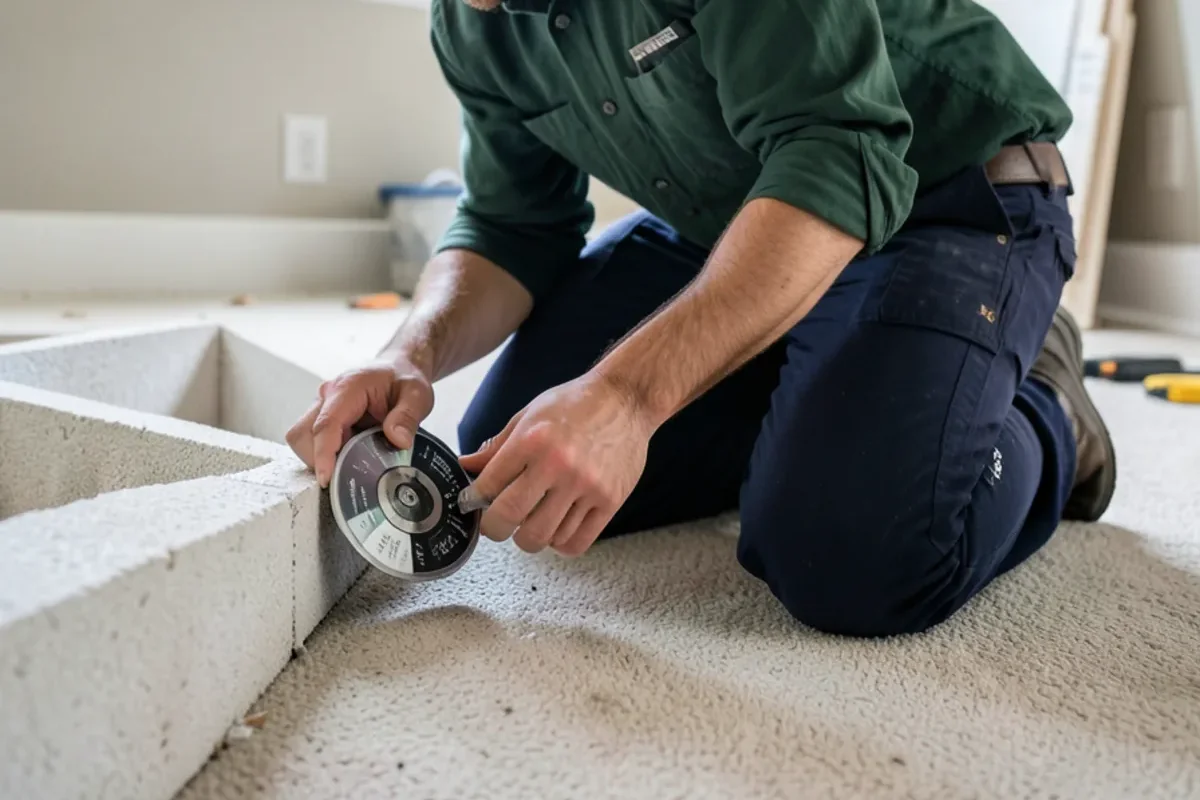
Over eighty percent of unexplained indoor water bill spikes stem from a single fixture: the toilet. A degraded rubber flapper that fails to seal tightly against the flush valve seat allows a silent, continuous stream of water to trickle directly down the overflow tube into the bowl and sewer. Because this leakage does not overflow onto the floor, homeowners rarely realize that a faulty $8 flapper can waste between 200 and 1,000 gallons of water per day, easily adding several hundred dollars to a bi-monthly bill. You can perform an easy confirmation test by placing four to five drops of dark food coloring into the toilet tank. Wait twenty minutes without flushing. If colored water seeps into the bowl, the flapper or flush valve seal has failed. Outdoors, automated irrigation control valves represent another common silent water loss point; electric solenoid diaphragms damaged by mineral grit can weep thousands of gallons continuously into underground landscape gravel beds without surfacing.
Underground copper slab leaks and high municipal pressure
In post-war ranch homes built during the 1960s and 1970s across Fair Oaks and Carmichael, water supply lines were frequently installed using soft copper tubing buried directly beneath the poured concrete slab foundation. Over decades, chemical interactions between copper and alkaline soils, coupled with mechanical friction caused by pipe expansion against concrete aggregates, produce microscopic pinhole perforations known as slab leaks. Homeowners often discover slab leaks by noticing an uncomfortably warm patch on tile or laminate flooring, hearing a faint hissing sound inside wall cavities, or noticing that their water heater runs constantly. Compounding this risk, elevated static water pressure from local water mains along the American River bluffs frequently exceeds 90 to 125 PSI. When a home's pressure reducing valve (PRV) fails, this extreme pressure accelerates pinhole leak development. Our specialized technicians utilize electronic acoustic ground microphones, thermal imaging cameras, and helium tracer gas to pinpoint slab leaks without destructive floor demolition.
"In our Fair Oaks leak detection calls, homeowners often spend weeks searching for puddles while thousands of gallons escape beneath their foundation. If you walk barefoot across your tile or vinyl plank floor and notice a warm spot, you almost certainly have an under-slab hot water line pinhole leak."
— Fair Oaks Plumbing Services Field Operations Team
Frequently Asked Questions
How much water does a leaking toilet flapper actually waste per month?
A moderately leaking toilet flapper that trickles continuously can waste between 200 and 1,000 gallons of water per day. Over a standard two-month billing cycle in Fair Oaks, a single silent toilet leak can add 12,000 to 60,000 gallons of wasted water, costing hundreds of dollars in higher utility tier rates.
Will Fair Oaks Water District adjust my bill if I fix the leak?
Yes, Fair Oaks Water District offers a leak adjustment policy for qualifying underground or structural leaks. Once a licensed plumbing contractor completes the repair and provides an itemized invoice detailing the date, location, and type of repair, homeowners can submit an adjustment request form to credit back excess volumetric charges.
How can I tell if a leak is in the yard or inside my house?
Turn off the main water shutoff valve located on the exterior wall of your home where the water supply enters the building. Check the water meter at the street: if the indicator continues to spin, the leak is buried in your yard supply line. If it stops, the leak is located inside the house.
What causes high municipal water pressure in Fair Oaks?
Because Fair Oaks features hilly topography ranging from the American River bluffs up to high ridges, water districts pump water at high pressures—often between 90 and 125 PSI—to supply elevated neighborhoods. When a home's pressure reducing valve (PRV) wears out, that high pressure enters domestic plumbing, causing pipe banging and premature fixture failures.
Plumbing Services in Fair Oaks Technical Team
Fair Oaks Plumbing Services • Local Plumbing Contractor
Physical shop: 10100 Fair Oaks Blvd, Fair Oaks, CA 95628
Related Plumbing Services
Nearby Communities Served
Questions About This Guide?
Call (207) 419-2600 to discuss your home's water heater or plumbing system with our local plumbers.